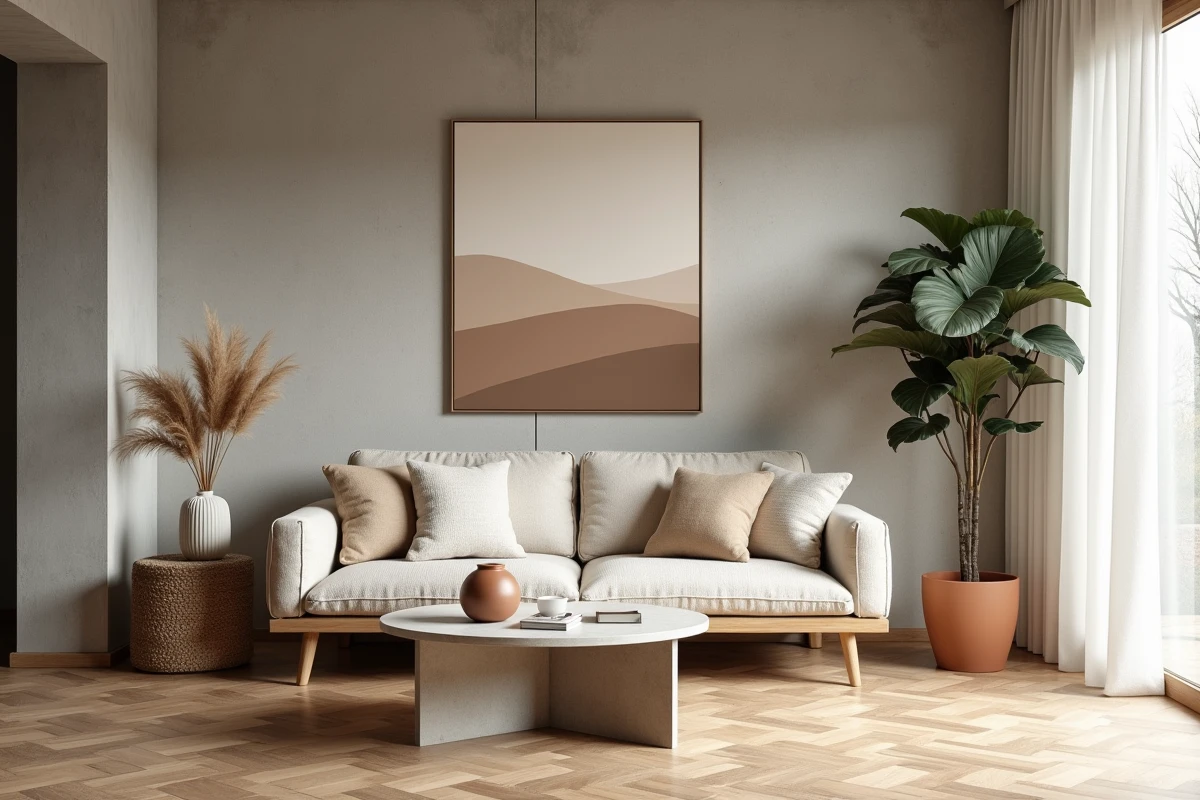
A well-placed sofa, a coherent color palette, materials that respond to each other: modern interior decor relies on precise choices, not on an accumulation of trendy objects. The most common trap is to replicate a Pinterest photo without considering the real constraints of one’s home, starting with noise.
Modern decor and acoustics: the parameter that photos don’t show
Have you ever noticed that a living room open to the kitchen amplifies every sound? Since the rise of residential open spaces and remote work, this acoustic issue determines daily comfort. A modern interior with large smooth surfaces (polished concrete, glass, metal) reflects sound in all directions.
Treating acoustics is also part of decoration. A felt wall panel, a thick curtain that falls from ceiling to floor, a densely woven rug under the work table: these elements absorb reverberations without distorting a clean style.
Here are some concrete levers to reduce resonance while maintaining a modern aesthetic:
- Favor fabric seating over smooth leather, which reflects sound more.
- Install open shelves filled with books and irregular objects, which break up sound wave propagation better than a bare wall.
- Opt for a ceiling with slatted wood or decorative acoustic panels, available in neutral shades compatible with a Scandinavian or Japandi style.
By exploring interior decor with Maison Pro, you will find solutions that combine absorbent materials and contemporary lines, exactly at the intersection of these two requirements.
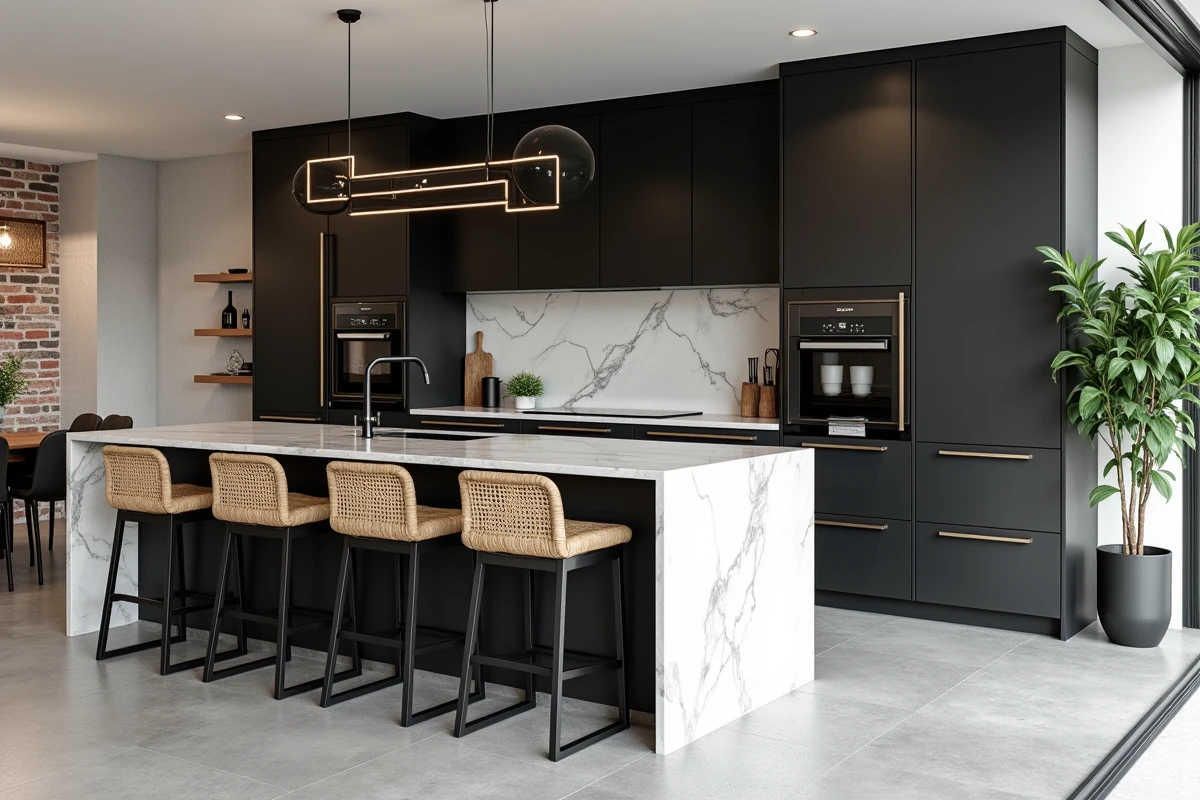
Color palette for a modern interior: going beyond all-white
White remains a common reflex, but an entirely white interior quickly looks clinical. Current modern interior decor plays on soft contrasts: a wall in a muted tone (sage green, terracotta, slate blue) against three light walls is enough to structure a room without making it feel cramped.
The rule of three shades maximum per room avoids visual cacophony. A neutral dominant, an accent color on a wall or piece of furniture, and a third reserved for textiles or accessories.
Bio-sourced colors and materials
The European directive 2026/45/EU now mandates mandatory certification for low-VOC interior paints and coatings. In practical terms, bio-sourced alternatives are no longer a militant choice: they are becoming the regulatory norm. Clay or lime-based paints offer matte textures that fit perfectly into a modern decor, providing a warmer finish than traditional acrylic paints.
Why this choice? Because the texture of a paint changes the perception of a color. A matte lime gray is nothing like the same gray in an industrial satin finish. The former absorbs light and soothes, while the latter reflects it and hardens the ambiance.
Wabi-sabi style in modern decor: embracing imperfection
According to the “Global Interior Trends Q1 2026” study by Houzz Research, wabi-sabi influence is gaining ground in Europe, with a marked adoption among urban dwellers aged 30-45. This Japanese movement values raw materials, irregular shapes, and the traces of time.
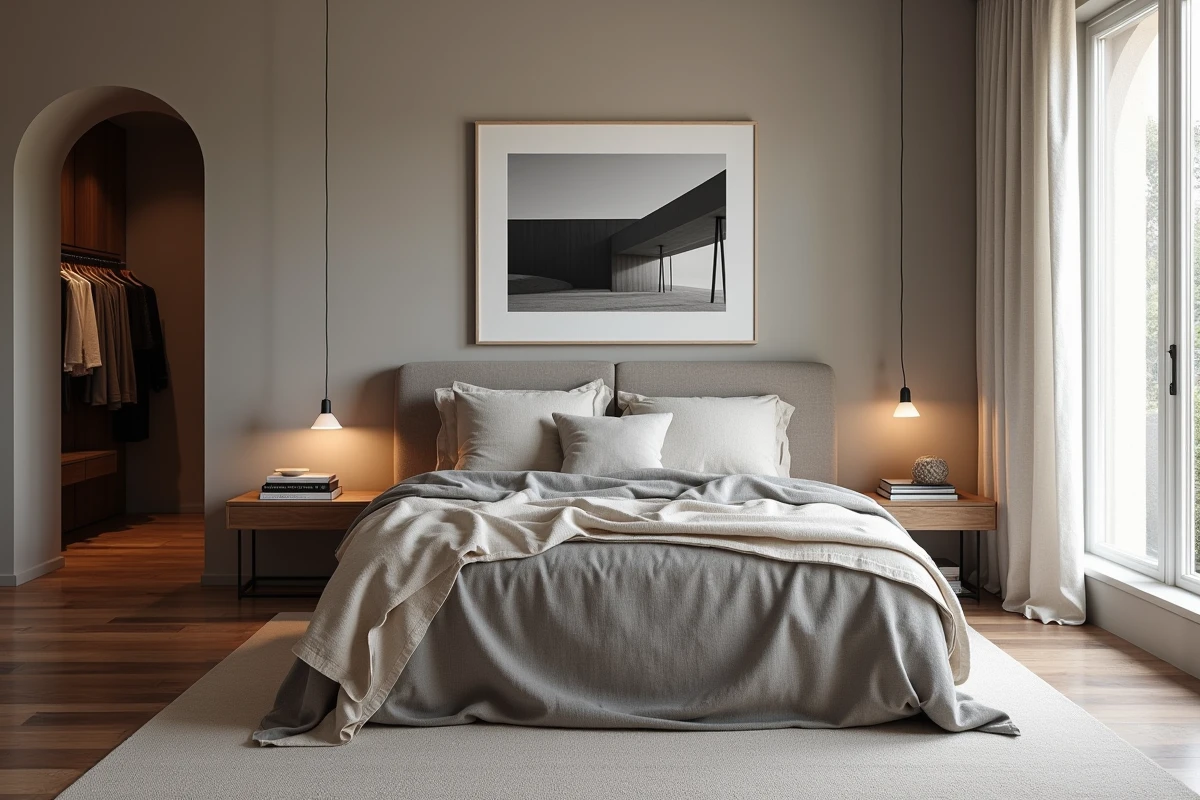
Applying wabi-sabi in a modern interior does not mean sacrificing functionality. It is about choosing objects that age well rather than those that remain new. A solid wood table with visible knots, a hand-thrown stoneware vase, a crumpled linen throw: these elements add depth to a minimalist decor.
The difference with Scandinavian style mainly lies in the palette. Scandinavian decor remains bright, almost optimistic. Wabi-sabi accepts darker tones (taupe, moss green, aged cream) and uneven surfaces. The two can combine well in the same space, provided there is a coherence of materials: wood, linen, artisanal ceramics.
Custom furniture and 3D printing: a concrete solution for small spaces
In urban renovations, the available space often dictates the shape of the furniture. Standard furniture does not fit into a recess of 47 cm deep or an irregular angle under the eaves.
The French Association of Interior Architects (AFAI) reports in its March 2026 survey that custom 3D-printed furniture reduces production times by several weeks compared to traditional cabinetry. Design professionals note increased satisfaction with these projects, especially for elements like entry consoles, wall mounts, or lighting fixtures.
This technology does not replace artisanal furniture but opens access to custom solutions for mid-range budgets. A 3D-printed light fixture in recycled polymer, with an organic shape impossible to machine, can become the standout piece of a living room without blowing the decor budget.
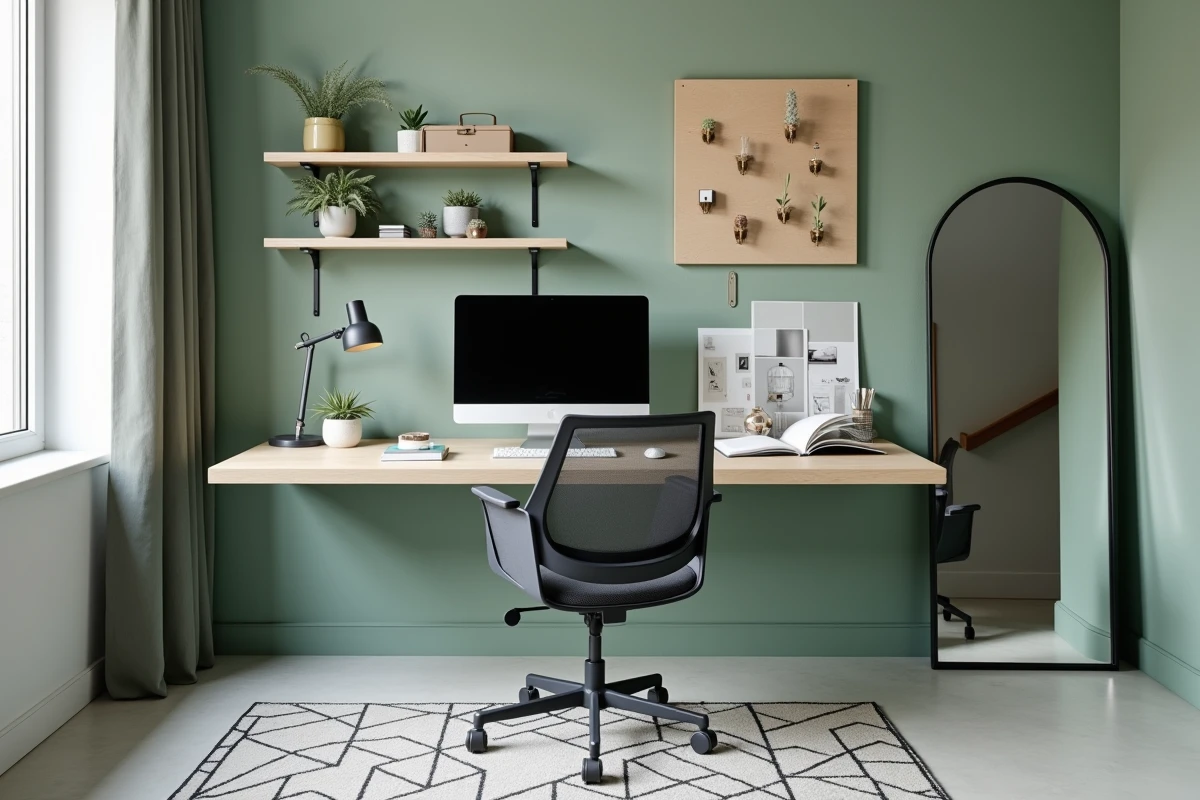
Choosing between standard, artisanal, and 3D printing
- Standard furniture suits rooms with common dimensions and tight budgets, but it limits customization.
- Artisanal cabinetry offers superior finish quality and durability, with longer lead times and higher costs.
- 3D printing positions itself between the two: ideal for technical pieces or complex shapes in atypical spaces.
A successful modern interior does not depend on the number of trends adopted. It relies on the coherence between materials, proportions, and the actual use of each room. Treating sound, choosing colors that work with the natural light of the home, accepting the imperfection of a handcrafted object: these decisions are worth more than a perfect mood board left on screen.