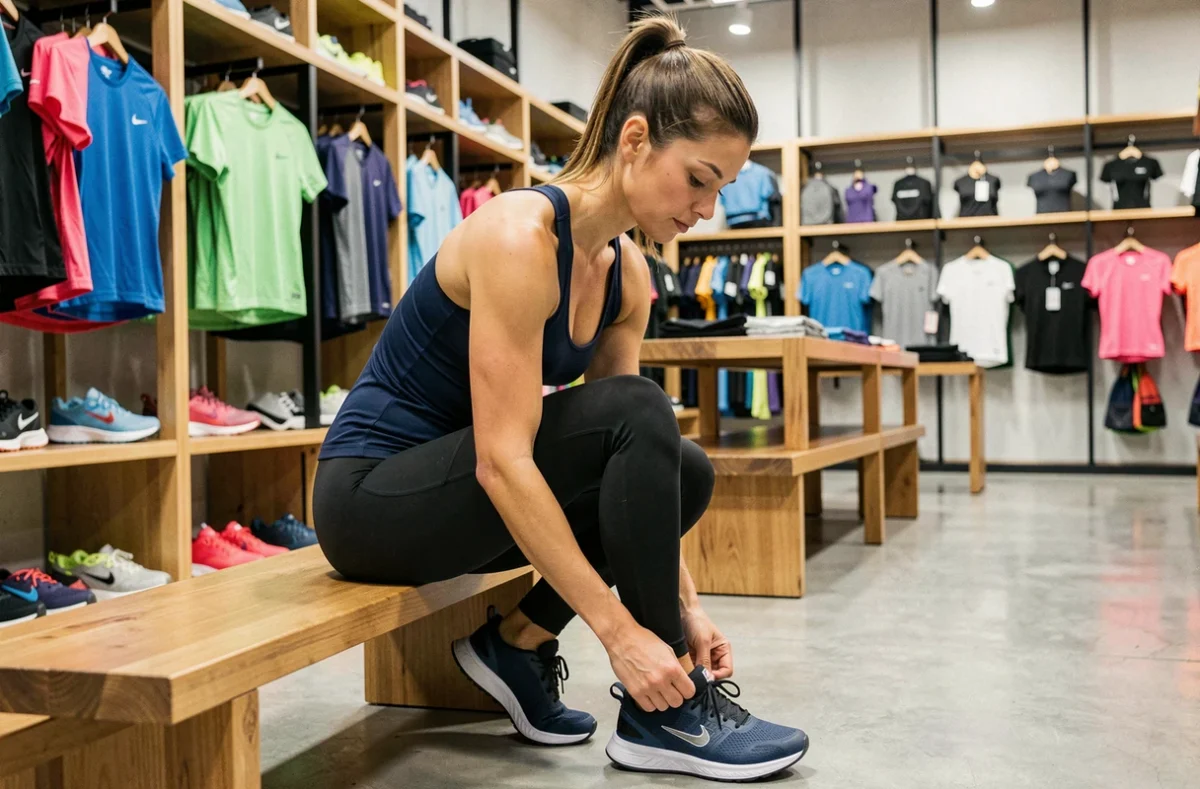
The choice of a sport is not limited to a matter of taste. Behind each discipline lie regulatory constraints, material requirements, and financial access thresholds that general guides often overlook. This article addresses the technical points that truly condition sports practice: medical certificate, appropriate equipment, support devices, and selection criteria for a sustainable activity.
Medical certificate and federal requirements by sport discipline
The validity of the medical certificate does not follow a single rule applicable to all licensed athletes. Each federation sets its own requirements, and some sports subject to particular constraints fall under specific rules. So-called high-risk disciplines (scuba diving, combat sports, mountaineering) often require a more thorough examination than a simple certificate of non-indication.
Before registering with a club, check directly with your federation for the required documents. An expired or unsuitable certificate can block the issuance of the license, and thus access to competitions as well as supervised training.
For practices outside of federal structures (private fitness center, municipal group classes), obligations also vary. Some physical or sports activity establishments require an annual certificate, while others are satisfied with a health questionnaire. By browsing the entire Esprit Sport website, one can appreciate the diversity of accessible disciplines and, by extension, the variety of associated administrative requirements.
Sports equipment: technical criteria before aesthetics
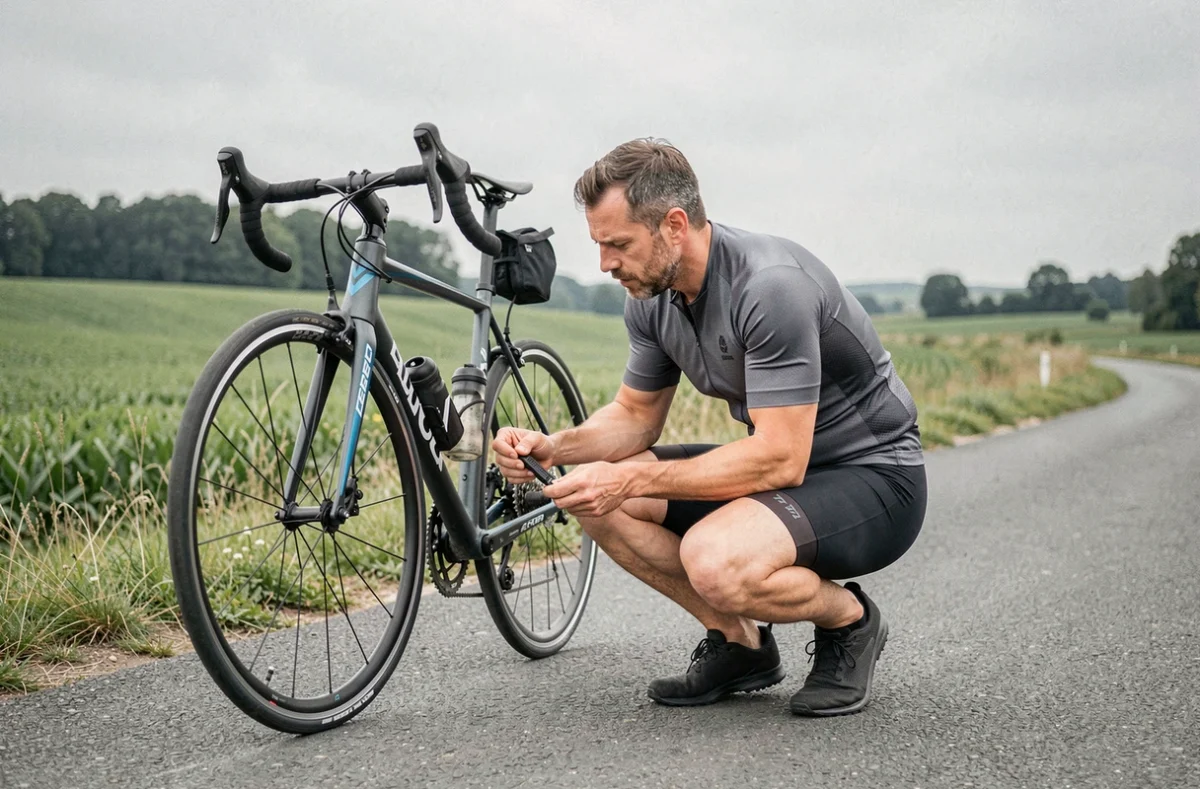
Poorly chosen equipment does not only reduce comfort. It directly increases the risk of injury and hinders progress. Fit takes precedence over price range: a high-end running shoe unsuitable for your type of stride will cause more damage than a mid-range model correctly selected.
Three technical axes deserve systematic attention:
- Joint support: for running or hiking, the cushioning and drop of the shoe must correspond to the biomechanics of the practitioner, not to a market trend.
- Breathability of textiles: a technical fabric wicks away sweat and limits friction, which radically changes the experience during long efforts, whether in cycling, trail running, or open water swimming.
- Specific protection for the discipline: helmet in cycling or combat sports, shin guards in football, knee pads in volleyball. Each sport has its priority impact zones, and the absence of appropriate protection is the leading cause of preventable injuries.
On the connected accessories side, watches and heart rate sensors allow for measuring training load and adjusting intensity. Their usefulness depends on the level of practice: for a beginner, a simple stopwatch is sufficient. For a regular athlete who structures their sessions into intervals or heart rate zones, the sensor becomes a concrete management tool.
Pass’Sport and financial aid for access to practice
The entry cost into a sport far exceeds the annual membership fee. License, basic equipment, regulatory outfit, travel: the bill adds up quickly, especially for families with multiple children registered in clubs.
The current version of Pass’Sport offers assistance of 50 euros for young people under certain income conditions, some young people with disabilities, and scholarship students. This amount covers part of the registration with a club affiliated with an accredited federation.
A point often overlooked: a complementary aid is announced for 2027, intended this time to contribute to equipment expenses. The issue is clear. Sports inclusion also involves removing material barriers, not just reducing the cost of the license. A teenager who cannot equip themselves properly will drop out, even if their registration is funded.
Eligibility conditions to check
The criteria vary depending on the applicant’s profile. We recommend checking directly with the CAF or the relevant federation’s website, as income thresholds and eligible groups change every year. A common mistake is to assume that Pass’Sport applies to all structures: only clubs affiliated with a federation accredited by the Ministry of Sports are concerned.
Choosing a sports activity suited to one’s profile and goals
The question of the “right sport” cannot be resolved by a popularity ranking. Walking and running remain the most practiced activities, but their apparent accessibility masks real requirements: a beginner runner without prior muscle strengthening is at risk of tendinitis within the first few weeks.
Three criteria structure a sustainable choice:
- Compatibility with logistical constraints: distance from the practice location, available schedules, necessity or not of a partner. A team sport requires a regularity that staggered schedules do not always allow.
- The main objective: weight loss, increased flexibility, cardiovascular strengthening, social connection. Each discipline engages different energy pathways and muscle groups.
- Tolerance to impacts: low-impact sports (swimming, cycling) are better suited for fragile joint profiles than running or racquet sports, which generate repeated shocks.
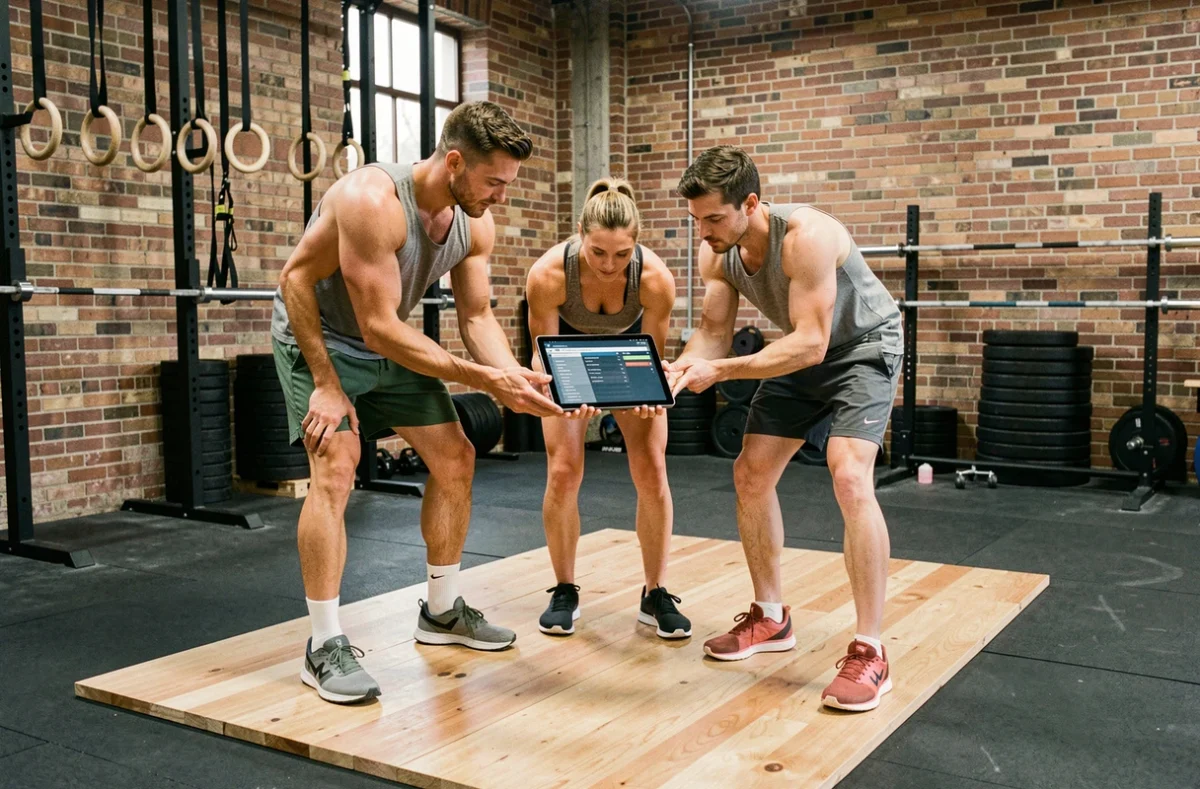
Do not underestimate the social dimension. A practitioner who is bored alone in the gym will find sufficient motivation to stick with it in a team sport or a supervised class. The most effective training is the one you maintain beyond the first three months.
Choosing a sports activity involves time, a budget, and a gradual physical adaptation. Checking administrative obligations, investing in appropriately fitted rather than prestigious equipment, and exploring available aids: these three reflexes condition a practice that lasts well beyond the enthusiasm of the first sessions.