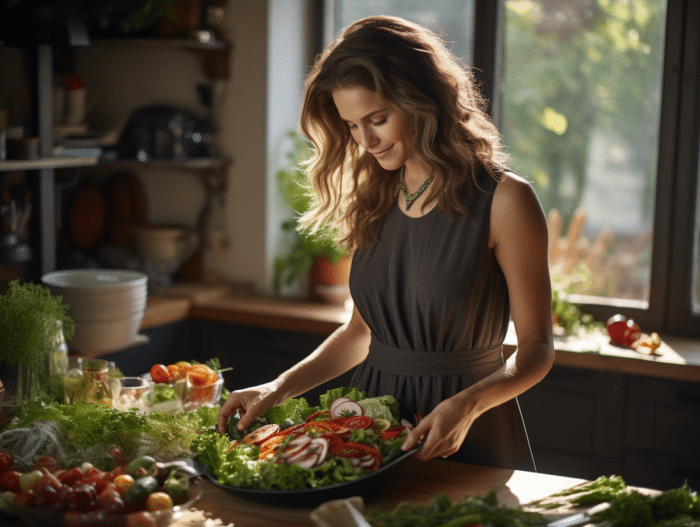
Nutrition during pregnancy is a fundamental factor that influences the health of the mother and fetal development. Among the many foods scrutinized by experts, processed meats receive particular attention. These products, often appreciated for their taste and convenience, can hide unsuspected risks for expectant mothers and their babies. It is important to understand which types of processed meats can be consumed without fear and which ones are better to avoid or limit. Maintaining health during this delicate period requires heightened vigilance regarding the quality and safety of the foods consumed.
The risks associated with consuming processed meats during pregnancy
At the heart of pregnancy nutrition, the consumption of processed meats raises concerns due to its potential dangers. Listeriosis and toxoplasmosis, serious infections for the fetus, are real threats linked to the ingestion of products such as raw or undercooked cured meats. Meat cooking must be thorough to eliminate the risks of these diseases. Caution is essential: ‘knackis and pregnancy’ do not mix well, and it is advisable to avoid these products, which are often consumed without adequate cooking.
Proteins, iron, and other essential elements for fetal growth and baby development are indeed present in meats, but the risk of anemia due to iron deficiency should not be underestimated. Processed meats, providers of these nutrients, can become vectors of pathogens if not chosen wisely and prepared with care. Foods prohibited during pregnancy also include raw fish, certain cheeses, and other products that may lead to foodborne illnesses.
Adopting a balanced diet rich in proteins and iron while avoiding risky products requires precise knowledge of foods to prioritize and those to avoid. Red meat, a source of numerous nutritional benefits, should be consumed well-cooked to prevent any danger. Expectant mothers must thus juggle between essential nutritional needs and the prevention of infectious risks, a delicate balance that directly impacts the health of their unborn child.
Tips and alternatives for safe and healthy meat consumption during pregnancy
In the face of the challenges posed by healthy eating during pregnancy, simple and effective precautions can be adopted. Meat cooking, a fundamental step, must be meticulous, with the meat reaching a sufficiently high temperature to neutralize pathogens. For pregnant women, it is advisable to prioritize red meat and ensure it is cooked to the right degree, or even well done. Meat thermometers are valuable tools for accurately checking this aspect, ensuring safe consumption.
To diversify the diet and address potential deficiencies, alternatives to red meat should be considered. Varied protein sources, such as fish cooked at high temperatures, hard-boiled eggs, or legumes, provide essential nutrients without the drawbacks associated with processed meats. Consider the intake of folic acid and vitamins, essential elements for fetal growth, by incorporating enriched cereals, nuts, and leafy green vegetables into your diet.
Food safety during pregnancy is not limited to avoiding certain foods but extends to a comprehensive reflection on eating habits. Pregnant women should consider nutritional recommendations, not neglecting the role of balanced nutrition in the development of the baby. Healthcare professionals can be a valuable resource to guide dietary choices, ensuring optimal nutrient intake while preventing the risks of foodborne illnesses.