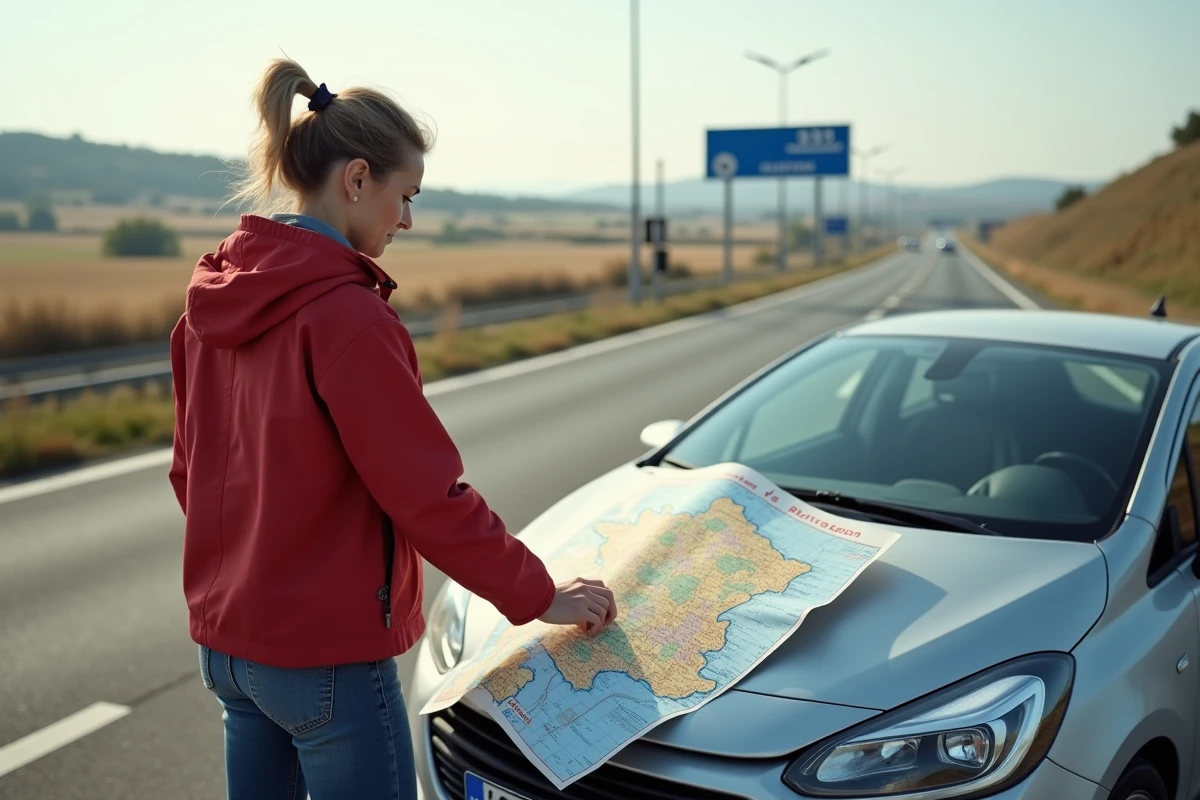
Several kilometers of pavement can change everything: where some see a simple road, others discover a toll-free route, dotted with opportunities and smart choices. Some sections of French highways escape tolls despite being part of the national network. The free routes, often unknown, connect strategic areas, whether they are local services or interregional links. This configuration stems from historical exceptions, local political decisions, or land-use planning choices.
Access to these sections presents significant route and cost issues for users. The diversity of statuses, operators, and traffic regulations requires careful reading of the highway map to optimize travel.
Understanding toll-free highways in France: issues and specifics of the network
The French highway network is characterized by a striking contrast: toll roads crisscrossing the country, but also kilometers of highways with free access. Of nearly 11,700 kilometers of French highways, only a few thousand are not subject to tolls. These toll-free routes are often designed to facilitate travel around major cities, open up certain areas, or provide alternatives to urban congestion. Their existence can be explained by historical legacies, public funding choices, or the desire to maintain service continuity for all.
Some of these routes were once national roads, simply widened or modernized, which retained their free access despite their transformation. Others, such as bypasses or ring roads around cities (Lille, Lyon, Toulouse, Bordeaux), facilitate access to economic zones while limiting congestion in city centers. This model is not a result of chance: it responds to a logic of local development and accessible mobility.
To visualize this distribution, the map of highways in France provides a comprehensive overview. The free highways are well identified, sometimes forming loops or radial routes around major cities. Meanwhile, the toll highway network extends over long distances and structures major flows, from local to European.
For every driver, the difference between free and toll routes weighs on the choice of journey, transport budget, and even the pace of breaks. The numbers speak for themselves: France has fewer free kilometers than some European neighbors, a consequence of decades of private concessions and an economic model where balancing accessibility and funding remains a constant challenge.
Where to find toll-free highways in France? Maps, lists, and preferred routes
By observing the France highway map, one quickly spots areas where free highways form true strategic corridors. They often cluster around major urban areas or on former national roads modernized to meet local needs. These routes, always marked on a road map, open options for crossing France without increasing toll costs.
In the north, routes leading to Lille or Calais, through the highways located north of Paris, offer several toll-free sections. To the west, Brittany stands out: there, the network of free highways in France radiates outward, a specificity inherited from strong regional political will.
Here are some emblematic examples of toll-free highways to know for optimizing your trips:
- The A25 (Lille-Dunkerque) and the A16 (northern part), which allow access to the Belgian border without a payment barrier.
- The Breton network, consisting of major fast roads comparable to highways, but with no tolls at all.
- Around Lyon, free ramps and bypasses that facilitate daily traffic and access to economic zones.
The list of highways in France also highlights practical routes: the A31 north of Nancy, the A34 between Reims and Charleville, or some sections of the A35 in Alsace. Navigation apps have become valuable allies for spotting these routes, cross-referencing information from the highway map, and planning a clever itinerary, whether for daily commutes, long-distance travel, or a motorhome trip.

Practical tips for smart travel on toll-free routes
Using toll-free routes offers appreciated flexibility but requires attentiveness. The network of expanded national roads and former free highways multiplies entry points, intersections, and sometimes unexpected slowdowns. Before departing, take the time to prepare a detailed itinerary, using the most reliable navigation apps to anticipate exits and avoid misdirection, especially in suburban areas where signage may differ from major free-flowing routes.
For travelers in a camper or families, these toll-free highways often provide an opportunity to rediscover France from a different angle. You encounter fewer standardized rest areas and more villages, varied landscapes, and unexpected breaks. But vigilance remains essential: speed cameras are frequently placed near intersections or urban areas. Strictly adhering to speed limits ensures a smoother journey and avoids many inconveniences.
Some sectors, like the network around Lyon or the famous eco highway Artenay, require special attention during peak hours. The signage announces each exit, but traffic density can vary unexpectedly, especially on the Sun Highway at the exit of Paris. Mobile apps allow real-time traffic tracking and route adjustments if necessary.
As a guideline: some toll-free sections are real alternatives for those who wish to travel more economically without sacrificing the quality of the journey. List gas stations and refueling points, prepare each stage, and let yourself be surprised by the diversity of a network that, far from being uniform, encourages exploration. While the toll network rushes straight ahead, the free routes invite you to chart your own path.