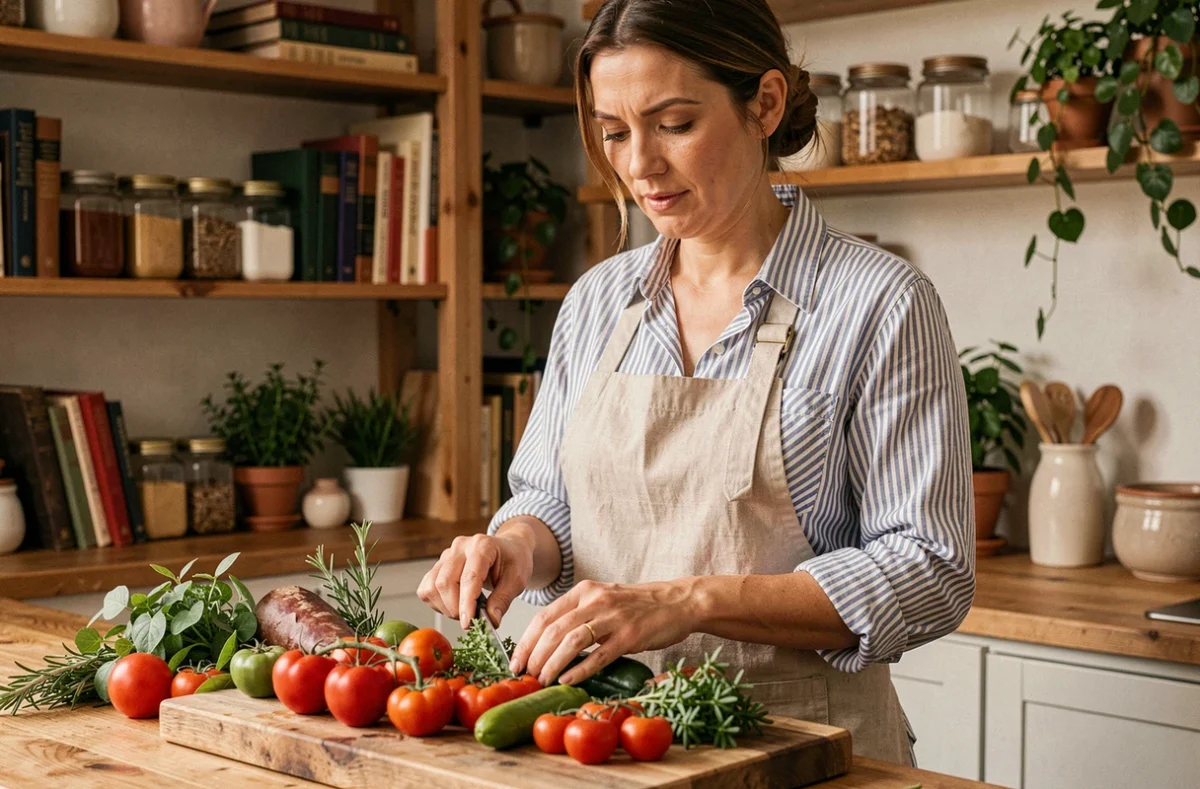
Hosting dinner or preparing a meal for your family always presents the same equation: how to offer delicious dishes without spending three hours in the kitchen or generating a whole bag of food waste? The gourmet ideas circulating online often limit themselves to catalogs of recipes sorted by ingredient, without considering the actual budget, leftovers to be valued, or the seasonality of products.
This article compares several approaches to convivial cooking in terms of their practical efficiency, cost, and impact on waste.
Anti-waste recipes and pantry cooking: a comparative approach
Planning meals based on what’s already in the refrigerator radically changes the shopping list. Three main strategies coexist today to organize gourmet meals without surplus.
| Approach | Principle | Average preparation time | Waste level |
|---|---|---|---|
| Classic recipe catalog | Choose a recipe, then buy all the ingredients | Variable (depending on the recipe) | High if ingredients are bought in excess |
| Pantry cooking | Start with available ingredients to compose the dish | Often shorter (no prior shopping) | Low (using what you have) |
| Weekly batch cooking | Prepare several dishes in one session, freeze portions | Long on the day, very short during the week | Moderate (calibrated portions, but preparation leftovers) |
Pantry cooking requires a bit of inventiveness but significantly reduces unnecessary purchases. A seasonal vegetable gratin with a bit of grated cheese, leftover béchamel sauce, and forgotten potatoes from the vegetable drawer creates a complete dish without any trip to the supermarket.
The recipes offered by La Cigale et la Fourchette perfectly illustrate this assembly logic based on common ingredients, where the pleasure of taste does not depend on an endless shopping list.

Valuing peels and leftovers: gourmet recipes at almost no cost
Since January 1, 2024, source separation of organic waste applies to all producers, including in catering. This regulatory constraint has an indirect effect on home cooking: it encourages rethinking what we throw away.
Carrot tops are transformed into pesto. Broccoli stems, peeled and sliced, replace zucchini in a stir-fry with soy sauce. Stale bread crusts become the base for a vegetable gratin or a chocolate pudding.
- Radish or carrot tops: blend with olive oil, parmesan, and nuts to make pesto ready in minutes
- Stale bread: rehydrate in milk then incorporate into a cake batter, or toast into homemade breadcrumbs for coatings and gratins
- Citrus peels: candy in sugar to decorate a dessert or flavor a sweet-sour sauce
- Chicken carcasses: sauté with wilted vegetables for a homemade broth rich in flavors, base for soups or risottos
A weekly leftovers meal significantly reduces the volume of organic waste from a household. This habit, recommended in recent guides on reducing food waste, transforms a perceived chore into a creative exercise.
Autumn flavors and seasonal vegetables: the underestimated lever of taste
The majority of recipe catalogs display dishes without clear seasonal distinction. A zucchini gratin offered in December implies vegetables grown in greenhouses or imported, with higher costs and diminished flavors.
Cooking vegetables harvested in their natural window enhances taste without technical effort. Autumn squashes, apples, mushrooms, and leeks develop a concentration of sugars and aromas that their out-of-season counterparts do not reach.
A roasted butternut squash velouté with a drizzle of cream and a few toasted hazelnuts requires only three seasonal ingredients. Roasting caramelizes the natural sugars of the squash and produces a depth of flavor that no industrial enhancer can replicate.
Adapting classics to the calendar
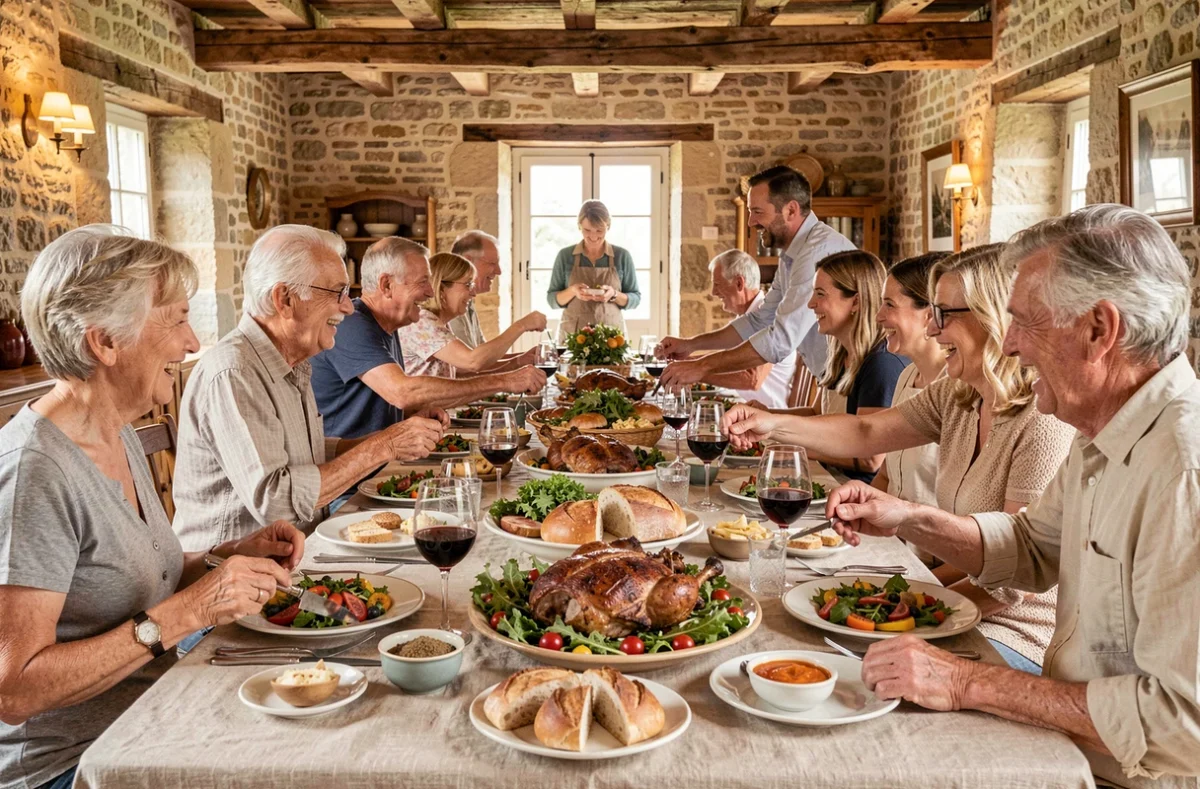
The gratin dauphinois, an emblematic dish of family meals, benefits from incorporating seasonal root vegetables. Alternating slices of potatoes with celeriac or parsnips creates layers with varied textures. The cheese sauce remains the same, but the result is surprising.
Savory tarts follow the same logic. Replacing the standard filling with vegetables of the current month (leeks in winter, tomatoes in summer, mushrooms in autumn) is enough to refresh a repertoire without learning new techniques.
Plant proteins in convivial dishes: what diversification changes
The guidelines from the EGAlim law push collective catering towards a larger share of plant proteins. This trend is reflected in home cooking, where lentils, chickpeas, and dried beans are gaining ground in evening meals.
A red lentil dhal cooks in about twenty minutes. Served with rice and plain yogurt, it constitutes a complete meal at a very low cost per person. A chickpea curry with spinach takes a bit longer to cook but offers a nutritional density comparable to a meat dish.
- Red lentils: quick cooking, melting texture, ideal for soup or dhal
- Chickpeas: versatile (hummus, curry, salad, gratin), store well in dry form
- Red beans: base for vegetarian chili, hold up well during long cooking in a pot
Alternating animal and plant proteins throughout the week reduces the overall food budget while varying flavors. Grated cheese on a legume gratin adds creaminess and the familiar taste that facilitates adoption by the whole family.
Gourmet cooking is not just about multiplying recipes: it relies on choosing ingredients at the right time, smart management of leftovers, and the acceptance that three quality components are better than ten mediocre ones. The most appreciated dishes at a shared meal are rarely the most complex.