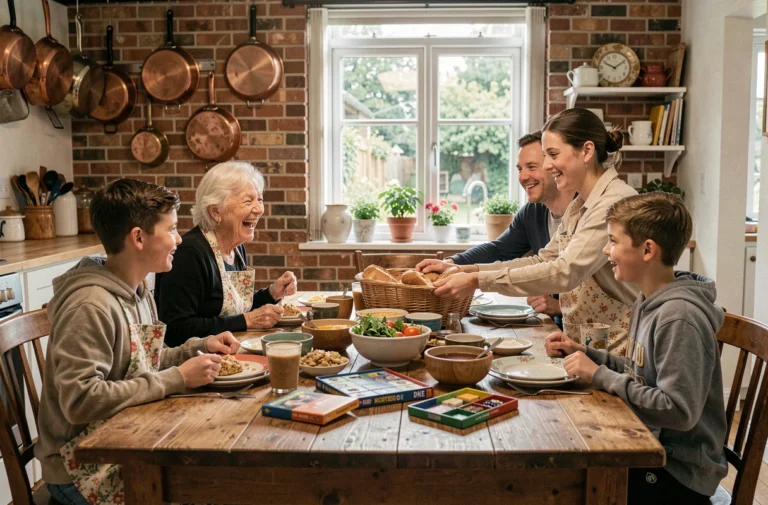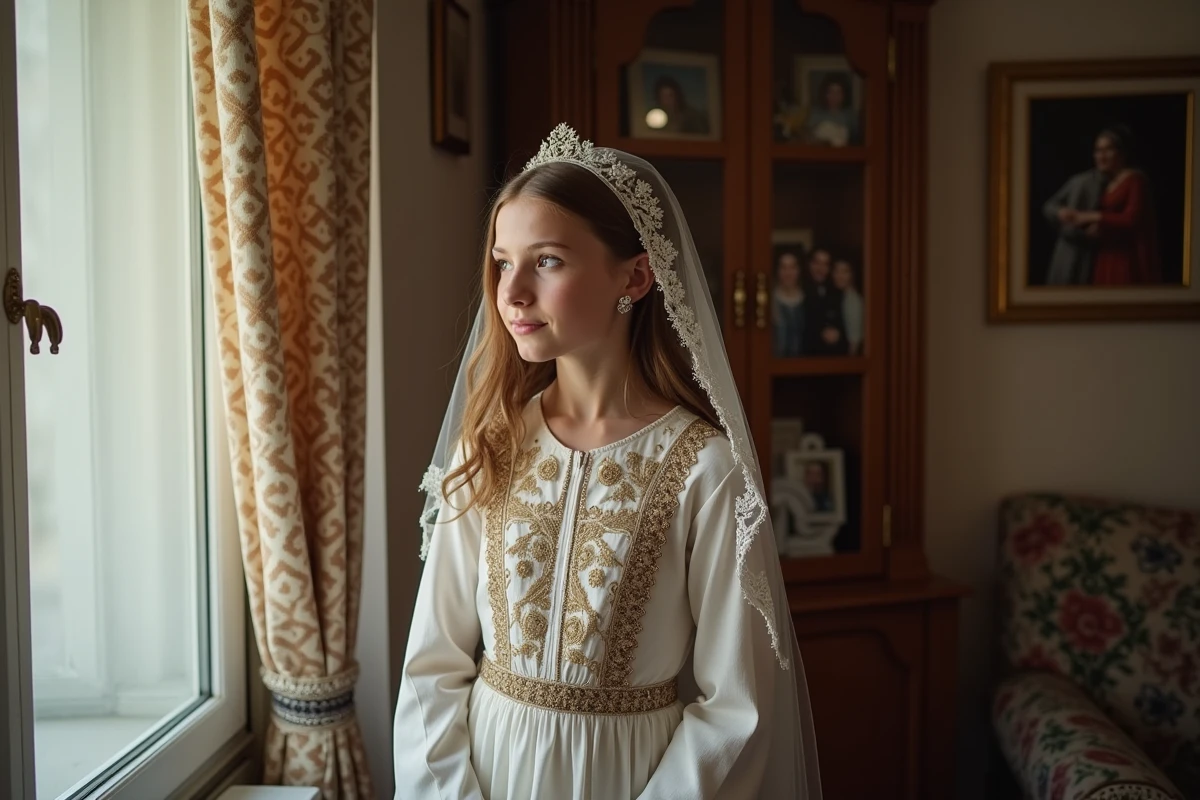
In some Gypsy families, the exchange of a dowry remains essential, while others openly reject the practice. The expenses related to the ceremony can sometimes reach several tens of thousands of euros, even though civil marriages remain rare in favor of a community commitment.
The respect for traditions varies from region to region, as does the scale of the festivities and the financial obligations. This diversity fuels internal tensions, pitting those who perpetuate the most extravagant customs against those who seek to lighten the economic burden of marriage.
Gypsy marriage in France: vibrant traditions and diversity of practices
For many Gypsies in France, marriage goes beyond mere romantic attachment: it binds two families and is part of a customary framework forged by generations. Some rituals, such as the handkerchief (Panuelo) led by the Aroutadora, remain deeply rooted, even though debates rage within the new generations. This ceremony, which is supposed to attest to the bride’s virginity, divides opinions and invites a rethinking of the balance between heritage and the evolution of mindsets.
Every detail of the celebration bears the mark of family solidarity. Organization is done in extended teams, with uncles, aunts, cousins, and neighbors mobilized to ensure that the celebration meets collective expectations. The bride’s father embodies a central figure; the groom’s father symbolically passes responsibility to his son, sometimes by handing him a simple glass of water. In Marseille, tradition dictates that the procession sometimes makes a stop at Parc Borély, highlighting the strength of regional ties among the Manouches, Sintis, or Kalderash.
Ritual gestures abound: wedding rings, exchanges of jewelry, transmission of gold coins, offerings of wine or brandy… But variety is also expressed in the color of the dresses (white or mermaid red), the choice of dessert, or the way to marry family pride with a taste for novelty. As long as the union is not civil, the State remains a spectator, and many Gypsies continue to believe that community commitment is worth all official recognitions. This divide raises questions about legal and family issues, and for those who wish to delve deeper into these perspectives, the cost and customs of Gypsy marriage details practices, changes, and identity issues.
How much does a Gypsy marriage really cost? Breakdown of expenses and expectations
A Gypsy marriage involves much more than the couple and their close parents. The entire family network feels involved, contributing to a celebration whose generosity builds the clan’s reputation. It is difficult to limit the guest list: the party quickly boasts several hundred attendees, rising to the challenge of hospitality and abundance.
Several areas of expenditure can be distinguished that concentrate the families’ efforts when preparing such an event:
- The wedding dress, the centerpiece, sometimes white, sometimes a spectacular red, sometimes even personalized according to the designer’s fame or the prestige of the occasion.
- The wedding rings and jewelry, which reflect both respect for tradition and a desire to assert the family’s status.
- The orchestra or music groups, responsible for getting everyone into the festive spirit until dawn.
- Finally, the sharing of drinks (wine, brandy) and the giving of gold coins during the key moments of the ritual seal the symbolism of the gift.
The vitality and excess of these celebrations sometimes explain the pressure felt by some families, who fear being judged for a celebration deemed too “modest.” In some cases, it is not uncommon for indebtedness to serve as a barrier against the fear of public opinion. Ultimately, the amount spent tells less of a simple tally of bills than of a commitment to collective honor and the maintenance of the group’s reputation.
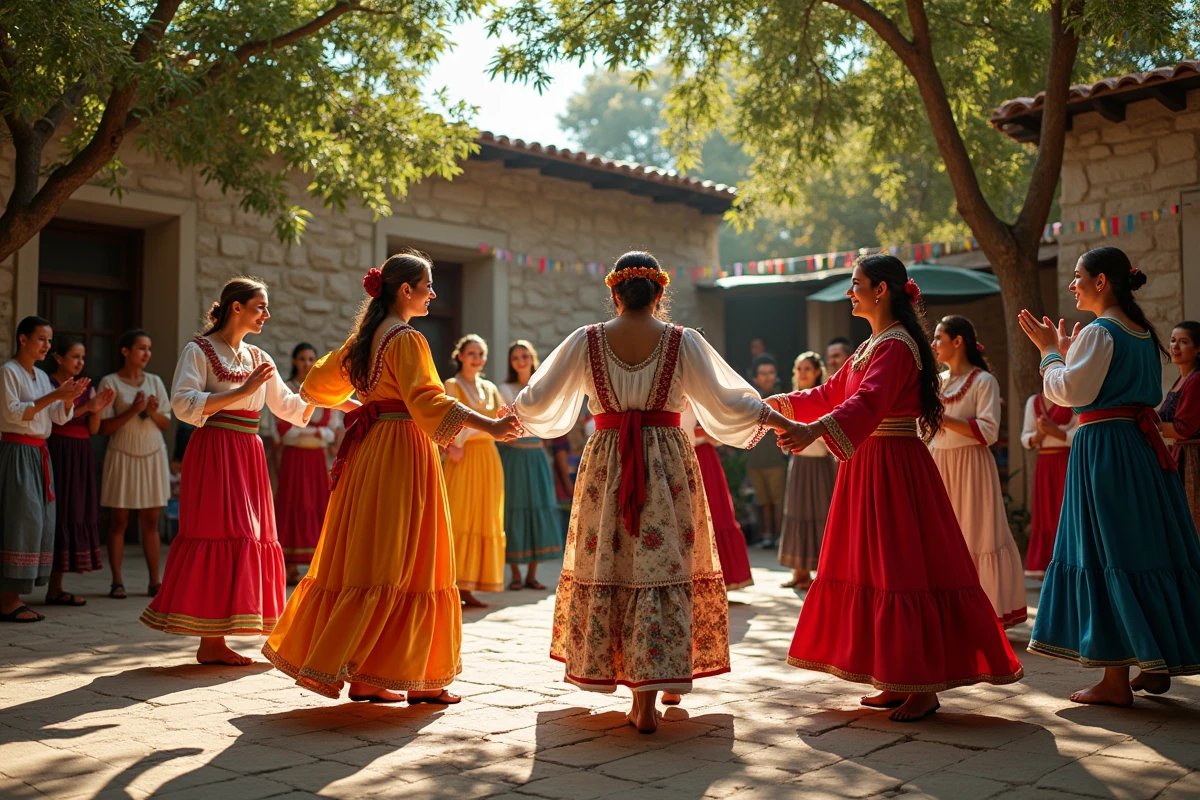
Between celebration and transmission: what Gypsy marriage reveals about identity and community solidarity
At the heart of every Gypsy marriage is the desire to preserve the clan’s memory and to transmit a way of life. The family, the backbone of this tradition, orchestrates every detail of the ceremony, ensures respect for the elders, and instills in the younger generations a sense of loyalty. Marrying in this world is to affirm one’s belonging to a broader history, to strengthen bonds that will extend beyond the celebration to last a lifetime.
However, French law stops at the threshold of civil marriage; customary unions, however solemn they may be, do not allow for recognition in terms of inheritance, securing parentage, or social coverage. The Court of Cassation has already reminded us: these marriages are rich in meaning but remain invisible in civil registry records. Yet, in the Gypsy community, the legitimacy of the commitment first passes through the group’s gaze, not through the stamp of an administration.
Behind these colorful celebrations lies the transmission of an intangible heritage: memories, a sense of belonging, a solidarity tested by time. As long as the music continues to resonate and generations gather under the same tent, the spirit of Gypsy marriage continues its course, making the Romani identity vibrate through the decades.